
With a drilling campaign at Addana set to begin, it’s an opportune moment to reflect on the project’s geological setting and its considerable upside potential.
Geological Setting
Addana is located in southeastern Morocco, close to the Algerian border, within the prolific Anti-Atlas region, a Paleozoic Mountain range composed of folded sediments. These rocks are not only rich in fossils such as trilobites but also host a variety of mineral systems, including silver, lead, zinc, and other metals.
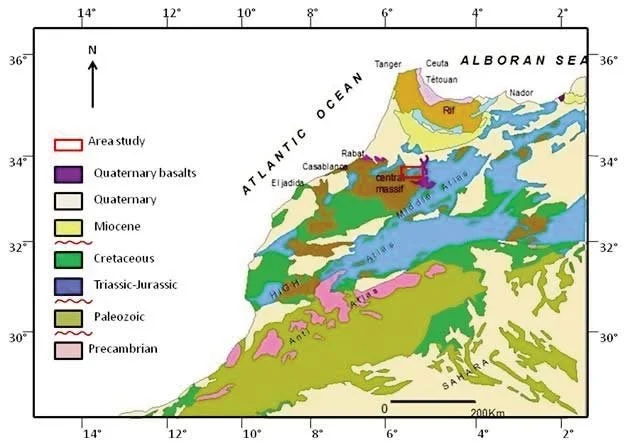
Paleozoic refers to the “ancient life” era, the beginning of life as we know it.
Historic Trenches Reveal Only the Surface
At Addana, ancient workings cut along thousands of quartz-carbonate dykes and veins. The historical miners’ efforts were limited to trenches only 3-5 metres deep along strike, leaving the broader system largely untested.
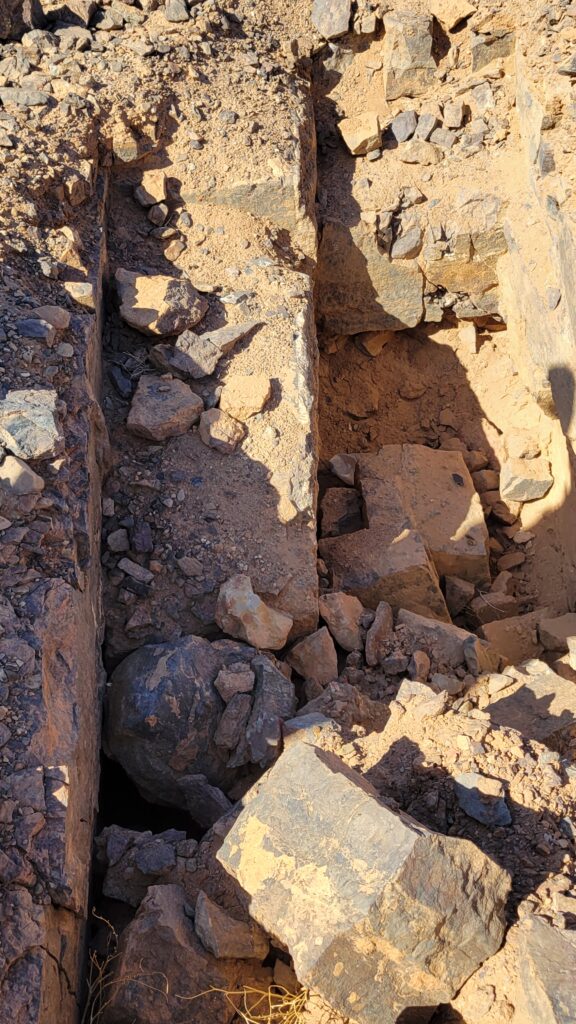
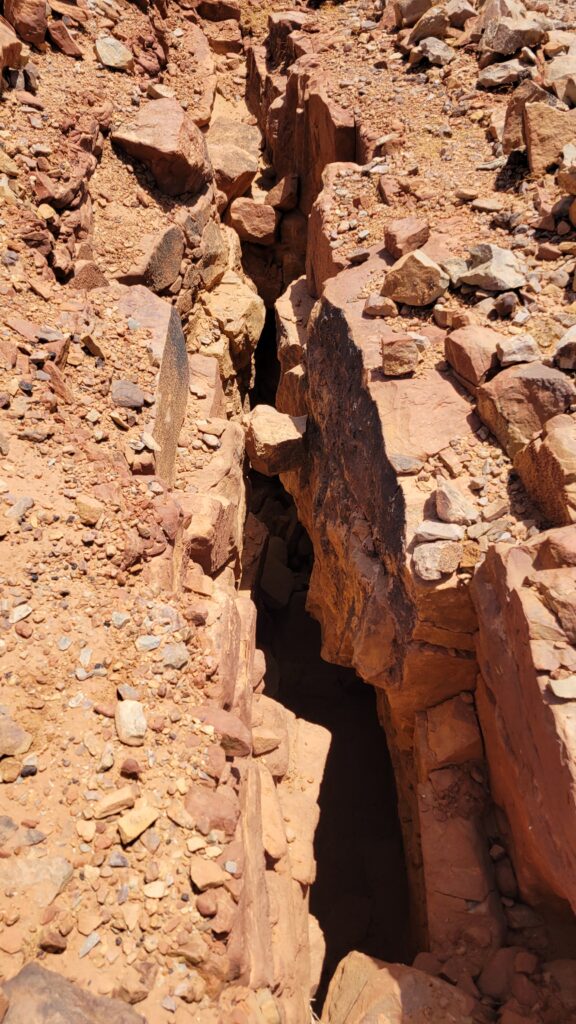
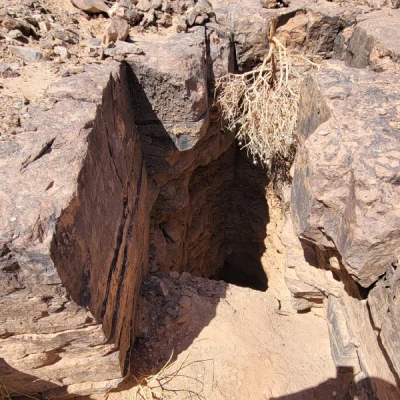
Our work focuses on what lies underneath. Modern exploration is designed to drill beneath these shallow historic workings to assess the true scale of the mineralized system, including the so-called polymetallic veins.
The upcoming drill program will test the depth potential beneath known surface veins and validate structural continuity across multiple target zones. This systematic approach will allow us to evaluate not only the grade but also the geometry and scale of the mineralization.
That’s what makes this stage exciting for investors: each new data point adds another piece to the puzzle, revealing the scale and potential of the system.
The findings to date suggest we’re on the right path towards a significant discovery, and this next phase of work will be an important step in testing exactly this potential.